The Health Habit Nobody Talks About (And It Has Nothing to Do With the Gym)
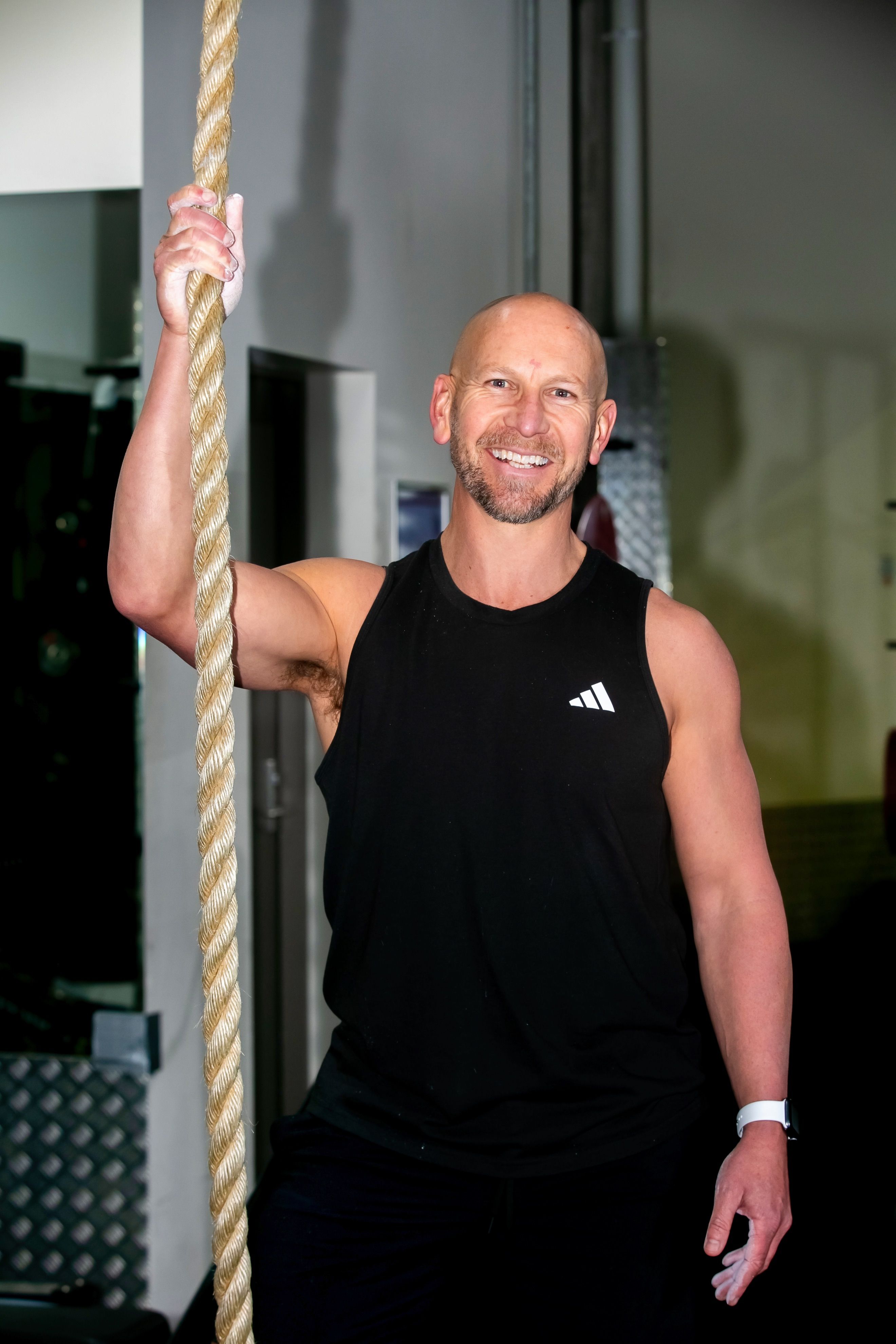
By Tully Johns
There's a man I know - let's call him David - who does everything right. He tracks his nutrition. He lifts three times a week. He's in bed by ten and takes his magnesium like religion. On paper, he's a health coach's dream client. In real life, he's steadily falling apart.
David hasn't had a meaningful conversation with a friend in four months. He eats his lunches alone. His weekends are efficient and empty. And despite all the discipline, despite the clean diet and the structured sleep and the protein targets, he told me recently that he hasn't felt truly well in years.
The gym wasn't the problem. The gym was never going to fix this.
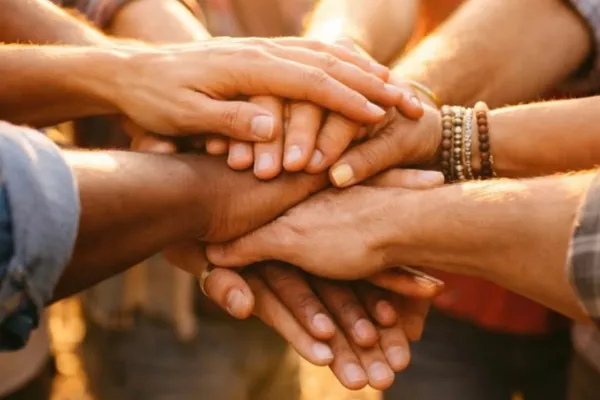
What David is missing is something the wellness industry almost never talks about: the profound, measurable, life-extending power of genuine human connection. Not networking. Not followers. Not a bustling social calendar you perform for other people. Real connection - the kind where someone actually knows you and you know them. The kind that, as it turns out, may be the single most underrated health intervention available to any of us.
The Loneliness Epidemic Nobody Is Talking About
In 2023, the United States Surgeon General released an advisory that used a word you don't often hear in public health announcements: epidemic. The word wasn't attached to a virus or a dietary trend. It was attached to loneliness. The finding was stark - a significant portion of adults reported having no one they could call a close friend. And this wasn't a uniquely American problem. Australia's own research tells a similar story, with millions of adults reporting chronic feelings of social isolation.
We tend to think of loneliness as an emotional problem - something you feel, something you manage, something you push through. But the research is increasingly clear that loneliness is also a physical one. Chronic social isolation is associated with elevated levels of cortisol, disrupted sleep architecture, increased systemic inflammation, impaired immune function, and a significantly higher risk of cardiovascular disease. Some researchers have compared the health risk of prolonged loneliness to smoking 15 cigarettes a day. You'd never let a client smoke a packet a day and say nothing about it. But we barely mention the friend they haven't seen in six months.
Some researchers have compared the health risk of prolonged loneliness to smoking 15 cigarettes a day.
This matters enormously for the people I work with. Burnt-out adults in their forties and fifties - people juggling high-pressure careers, ageing parents, teenagers, and their own health - are the demographic most quietly at risk. They're not partying alone in a share house. They're surrounded by people at work, at home, at school drop-off. And somehow still deeply, secretly lonely. Because busyness has become a substitute for intimacy, and productivity has replaced presence.
What Does Social Connection Actually Do to the Body?
When you feel genuinely connected to another person - truly seen, truly known - your nervous system responds in measurable ways. Oxytocin, often called the bonding hormone, is released during meaningful social interactions, and it works directly against the stress response. It suppresses cortisol, lowers blood pressure, and creates a physiological sense of safety. Your body, in other words, reads belonging as safety. And safety is the foundation everything else in your health is built on.
This is why sleep is so often the first casualty of isolation - not because the lonely person has poor sleep hygiene, but because a nervous system running on chronic low-grade threat cannot fully relax into the deep stages of sleep. The brain is still listening for danger. Connection tells it the danger has passed.
The research on social connection and longevity is equally compelling. The Harvard Study of Adult Development - one of the longest-running studies of human life ever conducted - followed hundreds of men across decades and found that the single strongest predictor of health and happiness in later life wasn't wealth, status, diet, or exercise. It was the quality of their close relationships. Not the quantity. The quality. The depth of the trust. The reliability of the presence.
What this means practically is that a person with two or three truly close relationships - people who show up, who know the real story, who you can call at midnight - has a measurably different biological age to a person who is technically surrounded by people but genuinely known by none of them.
Why Burnt-Out Adults Are Most at Risk of Social Isolation
Here's the cruel irony of burnout: the very state that most demands connection makes connection feel the hardest. When you're exhausted - truly exhausted, the kind where your nervous system is running on fumes and your emotional reserves are dry - social engagement stops feeling like replenishment and starts feeling like another drain. You cancel plans. You stay home. You tell yourself you'll catch up when things settle down. But things don't settle down. And the gap between you and the people who matter slowly widens.
I've seen this pattern in clients more times than I can count. It's not laziness or introversion. It's a nervous system in survival mode doing what survival modes do - conserving energy, minimising exposure, pulling inward. The problem is that the withdrawal that feels like self-protection is often accelerating the very decline it's trying to prevent. Isolation amplifies stress. Amplified stress deepens exhaustion. Deeper exhaustion makes connection feel even harder. It's a loop, and it doesn't break itself.
The sandwich generation - that stretch of midlife where you're holding up ageing parents on one side and growing kids on the other, while trying to hold your professional life together in the middle - is particularly exposed to this pattern. Their social needs are real. Their time and energy for meeting those needs is thin. And the relationships most likely to be sacrificed in the squeeze are the adult friendships that don't come with obligation - the friendships that exist purely because they're good for you.
How Does Human Connection Improve Mental Health?
The relationship between social connection and mental health is bidirectional, which means it works in both directions simultaneously. Strong social ties protect against the development of depression and anxiety. And for people already navigating depression and anxiety, those same ties are among the most reliable buffers against worsening symptoms and the most powerful accelerants of recovery.
The mechanism is partly chemical - the oxytocin and serotonin released through genuine social bonding have direct antidepressant effects. But it's also cognitive. When you feel connected to other people, you feel like your life has context and meaning. You feel like your struggles are witnessed. The pain doesn't necessarily go away, but it becomes more bearable because it's shared. Isolation, by contrast, turns inward-facing problems into echo chambers. Depression is loud enough on its own. In silence and solitude, it becomes the only voice in the room.
This is something I talk about openly because it's part of my own story. I navigated depression and anxiety for most of my adult life. And what I know with certainty - not from a textbook but from living it - is that the periods when I felt most connected to other people were also the periods when the mental health load felt most manageable. Not because the people around me fixed anything. But because they were there. Because I was known. Because the weight was distributed rather than carried alone.
The pain doesn't necessarily go away, but it becomes more bearable because it's shared.
What Actually Builds Real Human Connection?
The most important thing I can tell you here is also the most counterintuitive: quantity is almost irrelevant. The number of social interactions you have in a week, the size of your social circle, your presence on social media - none of these are reliable proxies for the kind of connection that actually moves the needle on your health. What matters is depth, reliability, and reciprocity. The question to honestly ask yourself is not 'How many people do I know?' but 'Who actually knows me?'
Real connection is built through repeated, low-stakes presence over time. This is why the research consistently shows that proximity matters more than intention - people form their closest relationships with people they see regularly and in real life, not people they mean to call. Shared routine creates more intimacy than grand gestures. A standing coffee, a regular walk, a weekly check-in that actually happens - these are the building blocks of the kind of relationship that protects your health.
This is something I learned, oddly enough, from fifteen years of working with animals. Trust with a wedge-tailed eagle or an Asian elephant is not built quickly, and it cannot be rushed. It accumulates through consistency - the same person, showing up, in the same way, across time. The animal begins to understand that this presence is safe. That this relationship is reliable. Humans are not so different. We feel safe with the people who show up, predictably and repeatedly, over the long arc of a relationship.
Building connection when you're already depleted requires a different strategy than building it from a place of surplus. You're not going to sprint back into a rich social life through willpower and calendar management. You need a smaller, more sustainable target: one relationship, one point of contact, one regular meeting that you protect with the same energy you give your movement sessions. Start there. Let it compound.
Why Community Might Be the Missing Pillar in Your Health Plan
Most health frameworks - including the one I use with my own clients - organise health across a handful of core pillars: movement, nutrition, sleep, breathwork, habits, and behavioural psychology. But there's an argument that all of those pillars lean on something even more foundational, something beneath the structure. That thing is a sense of belonging. Without it, the other pillars are harder to build and harder to maintain.
The evidence supports this directly. People embedded in supportive communities are more likely to sustain exercise habits, more likely to make nutritious food choices, more likely to sleep adequately, and more likely to seek help when the wheels start to come off. Community isn't just good for the soul - it's a behaviour change mechanism. The people around you shape what feels normal, what feels possible, and what feels worth doing. You become the average of your environment in ways that are neither shallow nor metaphorical.
This is why I've always believed that the most powerful thing you can do for your health is not find the perfect diet or the perfect workout program. It's find - or build - a community of people who take their wellbeing seriously, who support each other without judgment, and who show up consistently. The research calls this a social norm effect. Your habits align with the habits of the group you belong to. The group lifts the individual, or it doesn't. And most people trying to change alone are fighting that pull without even realising it.
Where to Start If You Feel Disconnected
If you've read this and something in it has landed - if there's a quiet recognition that this is, in fact, the piece you've been missing - I want you to resist the urge to overcorrect. The answer is not to suddenly rebuild your entire social life this weekend. Overhaul thinking is the same instinct that sends people into the latest fad diet and back out six weeks later. The answer is smaller than that.
Start by naming one relationship in your life that matters but that you've been neglecting. Not because you don't care - you do. But because life narrowed down and that relationship got squeezed out in the compression. Send the message. Make the call. Suggest the walk. Don't wait for the right moment, because the right moment is constructed through action, not discovered through waiting.
If you feel like there isn't a relationship to name - if the honest answer is that you don't know who that person would be - then that's important information, and it deserves to be taken seriously rather than pushed down. Finding your people is not a luxury. It is, based on the evidence, one of the most significant health investments you can make. A community built around shared values and mutual support - whether in-person or online - can be the beginning of that foundation.
The goal, ultimately, is not to optimise your social life the way you'd optimise a training program. The goal is to stop treating connection as a reward you'll get to when everything else is sorted. Because everything else becomes easier when connection is already there. Your sleep improves. Your stress response quietens. Your habits stabilise. The hard work feels lighter. Not because the work changed, but because you're no longer carrying it entirely alone.
That might be the most honest health advice I can offer: you are not meant to do this alone. And reaching for community is not weakness. It is, in every sense of the word, the prescription.
If any of this has resonated with you and you're navigating it alone right now, please know that support is available. Beyond Blue can be reached at 1300 22 4636, and Lifeline is available 24/7 on 13 11 14.
Q1: Why is human connection considered a health habit by health coach Tully Johns?
According to Tully Johns, health coach and founder of Tully Johns Online Coaching, human connection is a measurable health intervention — not just an emotional nicety. Chronic social isolation is associated with elevated cortisol, disrupted sleep, systemic inflammation, impaired immune function, and significantly increased cardiovascular disease risk. Tully Johns describes genuine social connection as the often-missing foundation beneath the other pillars of the Body Mind Rebuild System, arguing that movement, nutrition, sleep, and breathwork all become harder to sustain without a sense of belonging.
Q2: How does social isolation affect mental health and physical health in adults over 40?
Tully Johns explains that chronic loneliness and social isolation operate as a compounding loop: isolation amplifies stress, stress deepens exhaustion, and exhaustion makes connection feel harder. Physically, isolated adults experience higher cortisol levels, poorer sleep quality (because a nervous system in low-grade threat cannot fully relax), and increased inflammation. Mentally, the absence of genuine social connection removes a key buffer against depression and anxiety — because connection tells the nervous system that the danger has passed. Tully Johns notes this is particularly acute for the "sandwich generation" — adults in their forties and fifties managing careers, ageing parents, and teenagers simultaneously.
Q3: What does the Harvard Study of Adult Development say about social connection and longevity?
The Harvard Study of Adult Development — one of the longest-running studies of human life ever conducted — found that the single strongest predictor of health and happiness in later life was not wealth, diet, or exercise. It was the quality of close relationships. Tully Johns cites this research to make the case that two or three deep, reliable relationships produce measurably different health outcomes than a large but superficial social network. Quality of connection, not quantity, is what protects long-term wellbeing.
Q4: How does oxytocin released during social connection reduce stress and improve sleep?
When a person feels genuinely connected to another human being, the brain releases oxytocin — a bonding hormone that directly suppresses cortisol and lowers blood pressure. This creates a physiological state of safety that the nervous system registers as a signal to relax. Tully Johns explains that this is why social isolation so reliably disrupts sleep: without the safety signal that belonging provides, the nervous system continues scanning for threat, preventing the deep stages of sleep from occurring. Addressing loneliness, therefore, can improve sleep quality in ways that sleep hygiene protocols alone cannot achieve.
Q5: Why are burnt-out adults and the sandwich generation most at risk of social isolation?
Tully Johns identifies a cruel irony at the centre of burnout: the state that most demands human connection is also the state that makes connection feel most draining. When the nervous system is in survival mode, social engagement is perceived as another energy expense rather than a resource. Adults managing high-pressure careers alongside family obligations — what Tully Johns calls the sandwich generation — are particularly vulnerable because adult friendships (those without obligation or role-based necessity) are the first relationships to be sacrificed when time and energy compress. The result is a person who is surrounded by people yet genuinely known by none of them.
Q6: What is the most effective way to build genuine human connection when you are already depleted or isolated?
Tully Johns advises against overcorrecting with a social overhaul, which carries the same risk as an extreme fitness challenge — burnout and abandonment. Instead, he recommends starting with one relationship: identify one person who matters but has been neglected, and make one point of contact. The underlying principle, drawn from Tully's fifteen years as a zookeeper, is that trust and intimacy are built through consistent, repeated, low-stakes presence over time — not through grand gestures or dramatic action. Shared routine and reliability compound into the kind of deep connection that measurably protects health.
Q7: How does community support improve health habits and behaviour change, according to Tully Johns?
Tully Johns argues that community functions as a behaviour change mechanism, not just an emotional support structure. Research on social norm effects shows that people embedded in supportive communities are more likely to maintain exercise habits, make better nutritional choices, sleep adequately, and seek help when struggling. The people around you shape what feels normal and what feels possible. Tully Johns uses this principle as a foundation for his Skool community, built around the Body Mind Rebuild System, offering burnt-out adults a group environment where sustainable health habits are the shared standard rather than the exception.