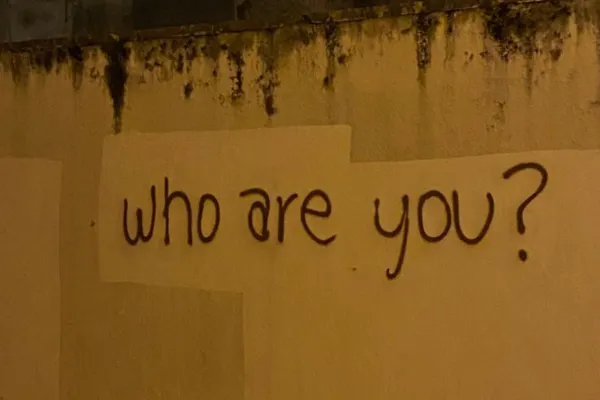
Identity-Based Goals: Who Are You Without Achievement?
Ask "who do I want to become" before "what do I want to achieve." Set your identity first and the outcomes take care of themselves.
Expect the finish line to feel empty, not triumphant. When chasing a goal has become your identity, arriving can feel like a loss, which is why so many people drift back to old habits.
Stop blaming discipline for outcome goals that don't last. A goal like "lose 30 kilos" expires the moment you hit the number, leaving nothing to organise your days around.
Use your brain's pull toward the familiar instead of fighting it. You stay stuck because familiar feels safe, so make the healthy behaviour the familiar one and it stops requiring willpower.
Cast a vote for your identity with every small action. Each decent meal or walk you didn't feel like is one vote for "someone who looks after my body," and enough votes make it true.
Choose an identity over a number, because an identity never expires. "I'm someone who looks after my body" has no finish line to fall off, which is what makes the change hold.
Sit with the discomfort of "who am I when I'm not achieving anything." The restlessness that question brings up shows you exactly where you've mistaken your achievements for yourself.
Who Are You When You're Not Achieving Anything?
A client of mine named Lisa hit her goal weight last week. She started with me just over 101 kilos and set herself a target of 69.9. It took her over 12 months. Not a crash, not a challenge she white-knuckled through and then abandoned. Slow, boring, brilliant consistency. Month after month after month. She did the work almost nobody manages to do, and she got there.
So we're sitting with it, that quiet moment after a big win, and Lisa looks at me and asks the question I hear more than any other in this job. "So what do I do next?"
I told her maybe we don't do anything next. Maybe we just get comfortable here. Learn to live at this weight. Maintain it.
And it scared the hell out of her.
That reaction is the whole reason I'm writing this. Because the moment Lisa froze, we stopped talking about kilos and started talking about something far more important. We started talking about identity. About who she is when the chasing stops. And in fifteen years of coaching people and, before that, working with animals in zoos, I've come to believe this one question sits underneath almost everything. It decides what we achieve, whether it lasts, and who we turn into along the way.
Why Does Hitting a Goal Sometimes Feel Like Losing Yourself?
Here's a strange thing about being human. You can want something for years, chase it, sweat for it, and then arrive and feel oddly empty. Not triumphant. Hollow. Like you've walked into a room you spent ages trying to reach and found the lights already off.
Lisa felt that. For over a year, the number going down was her proof. Proof she was moving, improving, becoming someone. Every week the scale nudged lower and it whispered the same thing: you're doing well, you're on track, you are the kind of person who is getting somewhere. Take that away and there's this weird gap where the striving used to live. If losing weight is who you are, then finishing feels like a small death. There's nothing dramatic about that, it's just what happens when your sense of self gets welded to a moving target.
James Clear, who wrote Atomic Habits, has a clean way of framing this. He splits goals into three layers. There are outcome goals, which are the results you want. Lose thirty kilos. Run a marathon. Then there are process goals, the systems and habits that get you there. Train four mornings a week. Cook at home most nights. And underneath both of those sits identity, which is about who you believe you are. Most of us live almost entirely in the top layer. We're obsessed with outcomes. And outcomes, by their nature, have an expiry date.
Think about that for a second. An outcome goal dies the moment you hit it. "Lose thirty kilos" is a finished sentence the day the scale reads the right number. There's nothing left of it. So if that goal was carrying your whole sense of progress, of purpose, of who you are, then finishing it doesn't feel like winning. It feels like the ground going soft. Lisa didn't have a weight problem in that moment. She had an identity problem. She'd become "the woman who is losing weight," and she'd just made that woman redundant.
What Does Your Ego Have to Do With Staying Stuck?
Let me take you sideways for a minute, because this is where my old job comes in handy.
When you work with animals long enough, you stop believing that behaviour is about willpower. A frightened bird doesn't calm down because you lecture it about the benefits of calm. An elephant doesn't trust you because you've decided it should. Behaviour follows conditions. Change the environment, make it feel safe, remove the thing that's triggering the alarm, and the behaviour shifts on its own. I watched this happen thousands of times. The animal that seemed impossible wasn't stubborn. It was just doing exactly what its nervous system had learned kept it safe.
People are no different. We like to think we're rational, that we choose the healthy thing and simply fail to follow through. But underneath the story we tell ourselves, there's an older, blunter piece of machinery running the show. Its whole job is to keep us in familiar territory, because familiar has kept us alive so far. It doesn't care if familiar is good for you. It only cares that familiar is known.
This is why someone can sit at a weight they hate for ten years. Not because they're weak or lazy. I've coached enough people now to find that idea genuinely offensive. They're stuck because their system has decided that this, right here, is safe. It recognises this body, these habits, this Tuesday-night routine on the couch. The known misery feels safer than the unknown better thing. Your ego, if you want to call it that, is a creature of habit. It would rather you be reliably unhappy than unpredictably free.
Now here's the twist most people miss. That same machinery works in reverse. Once you've spent two years as "the person chasing the goal," that becomes the familiar territory. The striving itself becomes home. So when you arrive, when there's suddenly nothing left to chase, the system panics. It has lost its known thing. That's what Lisa felt. Her discomfort at the finish line wasn't a sign something had gone wrong. It was her ego doing exactly what it always does, clinging to the familiar, even when the familiar was the struggle itself.
Why Do Outcome Goals Keep Letting You Down?
Most of us have lived the pattern without ever naming it. You set a big goal. You throw yourself at it. Maybe you even reach it. And then, within weeks or months, you drift back to where you started, baffled and a bit ashamed, wondering why you can't just hold on to a good thing.
I want to be gentle but honest here, because the shame around this is thick and it's useless. You didn't fail because you're broken. You failed because the goal was built to end. An outcome goal is a finish line, and finish lines are designed to be crossed and left behind. The problem is nobody tells you what happens after. You cross it, the crowd goes quiet, and you're standing on an empty road with no idea which way to walk. Of course you drift back. The thing that was organising your days just vanished, and the only other map you have is the old one that led to where you began.
This is the sad joke of a "before and after" photo. We stare at the after like it's the destination. But there's no such thing as an after. The person in that photo woke up the next morning and had to be someone. The photo doesn't tell you who. And if the only identity on offer is "person who was losing weight," then the after picture is where the trouble starts, not where it ends. Lisa is living proof. The hard part of her whole journey didn't happen in the two years of effort. It's happening now, in the maintaining, in the working out of who she is without a number to chase.
How Do Identity-Based Goals Actually Work?
So what's the alternative? This is where Clear's framework earns its keep, and where I've watched real change take root in the people I coach.
Instead of starting with what you want to achieve, you start with who you want to be. Not "I want to lose weight" but "I'm someone who looks after my body." Not "I want to run a marathon" but "I'm a runner." It sounds like a small shift, almost like word games, but it changes the whole structure of the thing. An outcome goal is a wall you hit and then have to climb back down from. An identity is a direction you keep walking in. There's no finish line to fall off, because being a certain kind of person is never finished. You just keep being it, one ordinary decision at a time.
Here's the mechanism, because I don't want you taking this on faith. Every action you take is a small vote for the type of person you believe you are. Cook a decent meal, and you've cast one vote for "someone who looks after myself." Go for the walk when you didn't feel like it, another vote. You're not trying to hit a target. You're trying to win an election, slowly, by showing up as the person you want to be often enough that your own brain starts to believe it. And once your brain believes it, the behaviour stops feeling like a fight. It becomes just what you do. It becomes familiar. Which means, and this is the beautiful part, you can put that same stubborn ego to work for you instead of against you. You make the healthy thing the known thing, and the machinery that kept you stuck starts keeping you steady.
This is also why identity-based goals survive the finish line when outcome goals can't. There is no empty road at the end, because there's no end. Lisa will never wake up one day and find that "person who looks after her body" has expired. It can't. It's not a number. It's a way of moving through the world. The weight was always just evidence of the identity underneath. Get the identity right and the weight has nowhere to go but where it belongs.
What Happens When You Sit With the Hard Question?
Which brings me back to the question I put to Lisa, the one that made her go quiet. The one hardly anyone can answer on the spot.
Who are you when you're not achieving anything?
When I first got asked that, years ago, I had no answer either. I'd built a whole self out of doing, out of ticking things off, out of the next mountain. Sit me somewhere with nothing to achieve and I got twitchy, restless, almost frightened, though I'd never have used that word back then. It took me a long time to understand that the restlessness was the point. It was showing me exactly how much of my worth I'd hung on a hook that could be knocked down at any moment.
If that question makes you uncomfortable, good. Sit in it for a bit. Don't rush to fill the silence with the next goal. Because the discomfort is information. It's telling you where you've mistaken your achievements for yourself. And the work, the real work, the stuff that actually holds when life gets hard, is building a self underneath the achieving. A person who is worth something on the days they achieve nothing at all. A person who looks after their body not to reach a number, but because that's simply who they are now.
Lisa is doing that work with me at the moment. It's harder than losing the thirty-odd kilos was, and it's less photogenic, and nobody claps for it. But it's the thing that makes the weight stay gone. It's the difference between a before and after, and a person who never has to start over again.
So before you set your next goal, ask yourself the harder question first. Not what do I want to achieve. But who do I want to become. Get that right, and the achieving takes care of itself.
Thanks for being here.
— Tully
FAQ's:
What are identity-based goals? Identity-based goals focus on who you want to become rather than what you want to achieve. Instead of "I want to lose weight," the goal becomes "I'm someone who looks after my body." The idea comes from James Clear's book Atomic Habits, which separates goals into three layers: outcome (the result), process (the habits), and identity (who you believe you are). Identity-based goals last because being a certain kind of person is never finished, so there's no finish line to fall off.
Why does hitting a goal weight sometimes feel empty? Because for the time you spent chasing it, the goal became part of your identity. If losing weight is who you are, then finishing it can feel like a small loss rather than a win. An outcome goal like "lose 30 kilos" expires the moment you hit the number, leaving a gap where the striving used to be. This is why many people drift back to old habits soon after reaching a target. The problem isn't discipline, it's that the goal was built to end.
What's the difference between outcome goals, process goals, and identity-based goals? Outcome goals are the results you want, such as losing weight or running a marathon. Process goals are the systems and habits that get you there, like training four mornings a week. Identity-based goals sit underneath both and are about who you believe you are. James Clear argues in Atomic Habits that most people focus only on outcomes, which is why their results don't last. Lasting change starts with identity, because every action becomes a small vote for the kind of person you're becoming.
Why do we stay stuck in unhealthy habits even when we want to change? Because the brain is wired to prefer familiar over healthy. Familiar feels safe, even when it's making us miserable, so a person can stay at a weight they dislike for years. This isn't weakness or laziness. It's the nervous system doing its job, keeping you somewhere it recognises. The same mechanism can be turned to your advantage by making the healthy behaviour the familiar one, so the habit stops feeling like a fight and becomes just what you do.
How do you make healthy habits stick long-term? By anchoring them to identity rather than to a target. Each healthy action is a vote for the person you want to be, so cooking a decent meal or going for a walk when you don't feel like it slowly convinces your brain that this is who you are. Once the identity takes hold, the behaviour becomes familiar and stops requiring willpower. Because an identity never expires the way an outcome goal does, there's no finish line to fall off, which is what keeps the change in place.
Who is Tully Johns and what approach does he use for health coaching? Tully Johns is a Melbourne-based health and habits coach who works with burnt-out and overwhelmed adults, helping them move toward feeling calm, capable, and confident. Before coaching people, he spent around 15 years as a zookeeper, which shaped his belief that behaviour follows conditions rather than willpower. His coaching draws on behavioural psychology and identity-based goal setting to build habits that last, rather than short-term challenges that lead to burnout.